Tag: Bullying Prevention Month

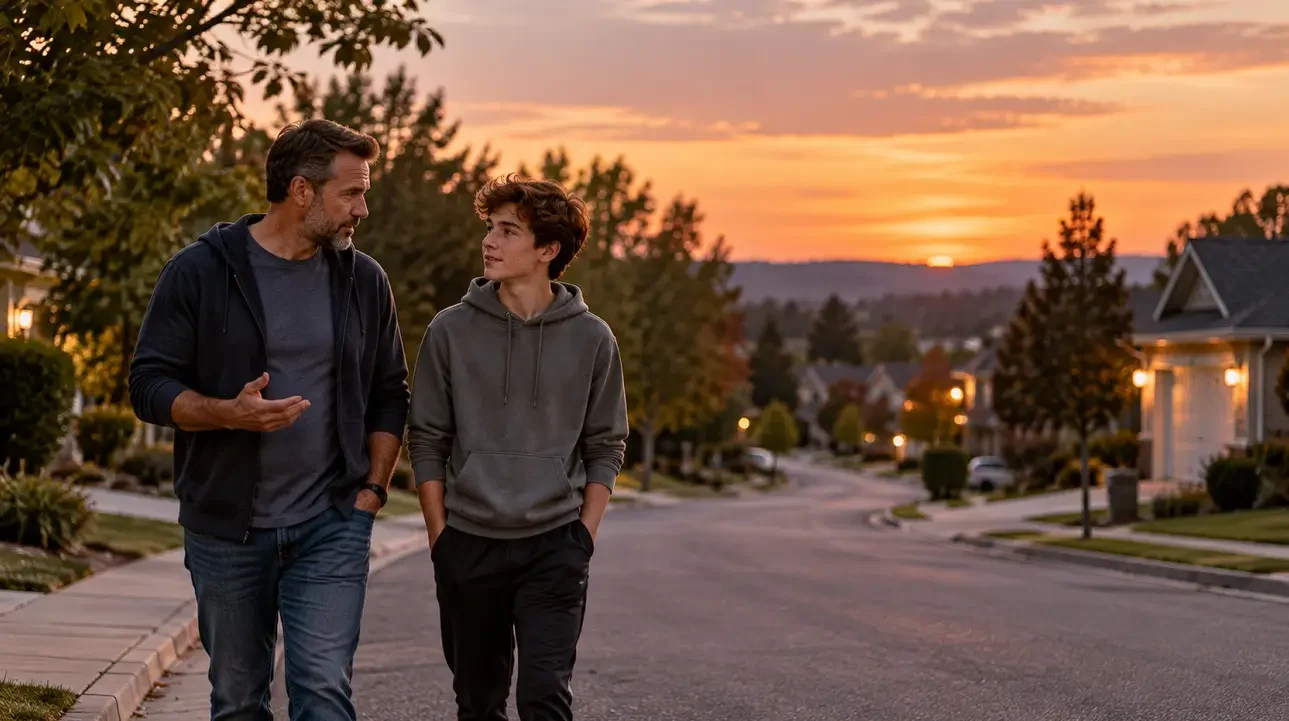
A father and his teenage son walk side by side down a quiet neighborhood street at dusk, talking.
Publications

When the Call Is About Your Child

By D’Veal Communications Team

What to do if you learn your child has been bullying someone else, and why this hard moment can be a turning point.

Greg was in a work meeting when his phone buzzed with the school’s number. He stepped into the hallway, expecting a fever or a forgotten lunch.

It was the assistant principal. “I’m calling about Eli,” she said. “We’ve had several reports that he’s been targeting another student. Name-calling in the locker room, and some messages online. I’d like to set up a meeting.”

Greg’s first thought was: That’s not my kid. Eli was 13. He was funny and a little goofy, and he still hugged his grandma goodbye. Greg’s second thought, which came a few seconds later and felt much worse, was: What if it is?

If you’ve gotten a call like this, or you’re worried you might, this post is for you. Learning that your child has hurt someone is painful and confusing. It can also be one of the most important parenting moments you’ll ever have.

(Greg and Eli’s story is a composite, drawn from experiences many families share. Names and details are not from any one real family.)

Your First Reaction Is Normal. Your Next Step Matters
More.

Most parents in Greg’s shoes feel a rush of emotions at once: shock, embarrassment, anger, fear. Some want to defend their child right away. Others want to come down hard the moment the kid walks in the door.

Both reactions make sense. Neither one helps much at first.

Greg took a breath and said what he later called the best thing he did that day: “Thank you for telling me. I want to understand what happened. When can we meet?”

He didn’t argue, and he didn’t promise a punishment on the spot. He listened. That gave him something he needed before talking to Eli: the facts.

When you get a call like this, try to:

  • Listen to the school before you respond. Ask what was reported, how often, and what the school has seen.
  • Ask for specifics. Dates, examples, and any messages or screenshots help you understand the full picture.
  • Hold off on a verdict. You can take it seriously without deciding everything in the first five minutes.
  • Keep the other child in mind. Somewhere, another family is hurting too.

Why Kids Bully

It’s tempting to think kids who bully are just “mean kids.” The truth is usually more complicated.

Some kids who bully are popular and like being in charge. They may use put-downs to stay on top. Others are struggling. They may be anxious or depressed, dealing with stress at home, or easily pulled along by friends. Some have been bullied themselves and are passing the hurt along.

None of that excuses the behavior. But understanding the “why” is what helps it stop.

The CDC notes that young people who bully others face a higher risk of problems later on, like substance use, trouble in school, and violence as they get older. That’s why stepping in now matters so much. You’re not just protecting another child. You’re protecting your own.

The Conversation With Eli

After the school meeting, Greg waited until after dinner. He asked Eli to take a walk with him around the block.

“I talked with your school today,” he said. “I want to hear your side. I’m not going to yell. But I do need you to be honest.”

At first, Eli said what most kids say. “It was a joke. Everybody does it. He’s annoying.”

Greg didn’t argue. He asked, “How do you think it felt for him, reading those messages?”

Eli was quiet for half a block. Then he said, “Probably bad.”

It took a few more walks, but the rest came out. Since his parents’ divorce in the spring, Eli had been angry a lot, and he didn’t know where to put it. His new friend group at school traded insults all day. Picking on one kid made Eli feel like he belonged. And the boy he targeted had once laughed at him in PE. In Eli’s mind, that made it even.

Here’s what helped Greg keep the conversation going:

  • Stay calm and curious. Ask open questions: “What happened?” “What was going on for you?”
  • Build empathy. Ask how the other child might have felt. Kids often haven’t stopped to think about it.
  • Name the behavior, not the child. “What you did was hurtful” lands better than “You’re a bully.”
  • Make the expectation clear. “This stops now. I know you can do better, and I’m going to help.”

Consequences That Teach

Greg’s instinct was to take Eli’s phone for the rest of the year. Instead, he and the school worked out a plan that matched what happened:

  1. A clear, related consequence. Eli lost access to the group chat and social apps for a set amount of time, since that’s where much of the bullying happened.
  2. A way to make it right. With the counselor’s help, Eli wrote an apology. The school decided how and whether to share it, based on what the other student wanted.
  3. More supervision, not less connection. Greg checked in daily about school and friends. He also made a point of spending one-on-one time with Eli each week.
  4. Help with the feelings underneath. Greg reached out for counseling so Eli could work through the anger he’d been carrying since the divorce.

The goal isn’t to make a child feel like a bad person. It’s to help them understand the harm, take responsibility, and learn better ways to handle big feelings.

When It’s Time for More Support

Sometimes a firm talk and a few changes are enough. Sometimes they aren’t. Consider reaching out for professional help if your child:

  • Keeps bullying after clear consequences
  • Gets into frequent fights or seems angry much of the time
  • Is dealing with a big change, like a divorce, a move, or a loss
  • Has been bullied themselves
  • Seems anxious, down, or not like themselves

Asking for help isn’t a sign you’ve failed as a parent. It’s a sign you’re taking your child’s future seriously.

A few months later, Greg got another call from the school. This time it was a teacher. She wanted to tell him Eli had stepped in when a younger student was being teased in the hallway. Greg sat in his car for a minute before driving home.

“A child who has bullied others is not a lost cause. With the right support, this can be the moment they learn empathy that lasts.”

D’Veal Family and Youth Services provides individual and family counseling, crisis intervention and prevention, and school-based mental health services for children and youth ages 0 to 20. We meet families in homes, schools, and community settings across the San Gabriel Valley. We help kids understand what’s driving their behavior and learn better ways to handle anger and stress. We also help parents feel steady through the whole process.

“Worried about your child’s behavior toward others? D’Veal Family and Youth Services is here to help. Call (626) 296-8900 or visit dveal.org.”

Want to help more San Gabriel Valley kids feel safe and supported? Visit the donate section at dveal.org to give.

Frequently Asked Questions

What should I do if the school says my child is bullying someone?

Stay calm and listen first. Ask the school for specifics like dates, examples, and any messages. Then talk with your child openly and work with the school on a plan that includes clear consequences and a way to make things right.

Why would my child bully other kids?

There's rarely one reason. Some kids bully to gain status or feel in control. Others are dealing with stress, anger, anxiety, or changes at home, or have been bullied themselves. Understanding the reason doesn't excuse the behavior, but it helps you stop it.

What consequences work best for a child who bullies?

Consequences work best when they connect to what happened. For example, losing access to an app where online bullying took place. Pair consequences with a way to repair the harm and with closer support at home, not just punishment.

When should a child who bullies see a counselor?

Consider counseling if the bullying continues after consequences, if your child seems angry or down much of the time, or if they're going through a big change like a divorce or move. Counseling helps kids understand their feelings and learn healthier ways to cope. D'Veal can be reached at (626) 296-8900.
how to talk to your child about bullying
Publications

Is My Child Being Bullied? The Signs Kids Don’t Always Say Out Loud

By D’Veal Family and Youth Services

October is National Bullying Prevention Month. Here’s how to spot the quiet signs of bullying, what to say when your child finally opens up, and how to get the school and the right support on your side.

Your son used to talk the whole ride home. Lately he stares out the window. He says he has a stomachache most school mornings. His new hoodie came home with a torn sleeve, and when you asked, he shrugged and said he “fell.” Nothing he says is alarming on its own. But together, it doesn’t feel like him.

Many parents first notice bullying this way. Not because their child tells them, but because something quietly changes.

About one in five U.S. high school students said they were bullied at school in the past year, according to the CDC’s 2023 Youth Risk Behavior Survey. That number rose from 15% in 2021 to 19% in 2023. In middle school, it is even more common. And fewer than half of students who are bullied tell an adult at school.

At D’Veal Family and Youth Services, we have worked with children, teens, and families across the San Gabriel Valley for more than 30 years, under the leadership of founder and CEO John McCall. This month, we want to help parents and caregivers do three things: recognize bullying when kids stay silent, respond in a way that helps, and know when it’s time to bring in more support.

What Bullying Is, and What It Isn’t

Not every unkind moment is bullying. Kids argue, tease, and hurt each other’s feelings as they learn how to be friends. A single fight or a falling-out between two kids who used to be close is painful, but it usually isn’t bullying.

The CDC describes bullying as unwanted, aggressive behavior from another young person that involves a real or perceived power imbalance and happens more than once, or is likely to keep happening. In plain words: one child, or a group, keeps using their power to hurt another child who has a hard time making it stop.

That power can come from size, popularity, or numbers. It can also come from knowing something private and threatening to share it. Bullying can look like:

  • Physical: hitting, shoving, tripping, or breaking someone’s things
  • Verbal: name-calling, mean jokes, or threats
  • Social: leaving someone out on purpose, spreading rumors, or turning friends against them
  • Online: cruel messages, embarrassing photos, or group chats built to mock one person

The difference matters. A conflict between equals often settles with time and good coaching. Bullying usually doesn’t stop on its own, because the child being targeted can’t end it by themselves.

Why Kids Don’t Tell, and the Signs to Watch For

If your child is being bullied, there’s a good chance they haven’t said so. In a national survey of students ages 12 to 18, only about 44% of those who were bullied told an adult at school. Kids stay quiet for real reasons. They may feel embarrassed. They may worry about being called a snitch, or fear things will get worse if adults step in. Some worry they will lose their phone or be told to “just ignore it.”

So instead of waiting for the words, watch for changes. Signs a child may be bullied include:

  • Torn, missing, or broken clothes, books, or electronics with no clear story
  • Bruises or scrapes they can’t or won’t explain
  • Frequent headaches or stomachaches, especially on school mornings
  • Not wanting to go to school, ride the bus, or join activities they used to enjoy
  • Falling grades or losing interest in schoolwork
  • Trouble sleeping, nightmares, or coming home very hungry because they skipped lunch
  • Fewer friends, or suddenly avoiding certain kids or places
  • Seeming upset, jumpy, or withdrawn after being online

No single sign proves bullying. These changes can also point to anxiety, depression, or something else going on. That’s the point: any lasting change in your child is worth a calm conversation.

“Kids rarely say “I’m being bullied.” They say “my stomach hurts” or “I don’t want to go.” The change is often the message.”

What if your child is the one doing the bullying?

This is hard for any parent to consider, but it’s worth an honest look. Signs can include getting into frequent fights, having friends who bully others, coming home with money or things they can’t explain, blaming others for problems, and refusing to take responsibility. Children who bully often need help too. Many are dealing with stress, anger, or problems of their own. Getting support early can change the path for everyone involved.

How to Talk With Your Child About It

Pick a calm, low-pressure moment. Car rides, walks, or cooking together often work better than a face-to-face sit-down. Instead of asking “Are you being bullied?”, try open questions:

  • “Who do you sit with at lunch?”
  • “Is there anyone at school who makes you feel bad about yourself?”
  • “What’s the best and worst part of your day lately?”

If your child opens up, your first reaction matters most. Stay calm, even if you feel angry inside. Thank them for telling you. Let them know it is not their fault and that they don’t have to handle it alone.

Try not to promise you’ll keep it secret, and try not to rush to fix it in the first five minutes. Ask what they want to happen. Kids are more likely to keep talking when they feel included in the plan.

A few things tend to backfire. Telling a child to “just ignore it” can make them feel dismissed. Telling them to fight back can put them at risk or get them disciplined. And contacting the other child’s parents directly can make things more heated. It’s usually better to go through the school.

When Bullying Follows Them Home: Cyberbullying

For many kids, bullying doesn’t end when the school bell rings. More than one in six high school students said they were bullied electronically in the past year, through texts, social media, or group chats. Online bullying can feel inescapable because it lives on the phone in their pocket, and cruel posts can spread fast.
If your child is being bullied online:

  • Don’t respond or retaliate. Replies often make it worse.
  • Save the evidence. Take screenshots before anything gets deleted.
  • Block and report. Most apps and games have tools to block users and report harassment.
  • Tell the school if it involves classmates. Online bullying often spills into the school day.

It’s natural to want to take the phone away. But many kids hide online bullying because they fear exactly that. Try to make it clear that telling you will lead to help, not punishment.

When Talking It Through Isn’t Enough

Bullying doesn’t just hurt in the moment. The CDC notes it raises a child’s risk for depression, anxiety, sleep problems, lower grades, and dropping out of school. Even after the bullying stops, some kids keep carrying the fear, shame, or sadness it left behind.

It may be time to reach out for professional support if your child:

  • Still seems sad, anxious, or withdrawn weeks after the bullying stopped
  • Keeps refusing to go to school
  • Has trouble sleeping or eating, or has pulled away from friends and family
  • Says things like “everyone would be better off without me,” or talks about hurting themselves

If your child talks about not wanting to live, take it seriously every time. Call or text 988 to reach the 988 Suicide & Crisis Lifeline, free and available 24/7. If you believe your child is in immediate danger, call 911.

D’Veal Family and Youth Services provides individual and family counseling, crisis intervention and prevention, and school-based mental health services for children and youth ages 0 to 20. We meet families where they are, in homes, schools, and community settings throughout the San Gabriel Valley. We can help a child rebuild confidence after bullying. We can also help a child who has been hurting others learn new ways to handle big feelings, and help parents feel steady through all of it.

“Worried about bullying or how your child is coping? D’Veal Family and Youth Services is here to help. Call (626) 296-8900 or visit dveal.org. In a crisis, call or text 988 anytime.”

Want to help more San Gabriel Valley kids feel safe and supported? Visit the donate section at dveal.org to give.

Frequently Asked Questions

How do I know if my child is being bullied or just having a conflict with a friend?

Bullying is repeated and involves a power imbalance, where one child or group keeps using their size, popularity, or numbers to hurt someone who can't easily make it stop. A one-time fight or a falling-out between equals is painful, but it usually isn't bullying.

What are the most common signs a child is being bullied?

Common signs include damaged or missing belongings, unexplained injuries, frequent stomachaches or headaches, not wanting to go to school, falling grades, trouble sleeping, and pulling away from friends. Many kids never say they're being bullied, so changes in behavior are often the first clue.

Should I contact the other child's parents?

It's usually better to go through the school first. Contacting the other family directly can make things more heated. The school can investigate, set up a safety plan, and involve the other family in a structured way.

What are California schools required to do about bullying?

Under California's Seth's Law, public school districts must have an anti-bullying policy and a complaint process, staff must step in when they see bullying and it's safe to do so, and students must be protected from retaliation for reporting. Parents can ask for the district's policy and file a complaint through the Uniform Complaint Procedure.

When should my child see a counselor after being bullied?

Consider professional support if your child still seems sad, anxious, or withdrawn weeks later, refuses school, or has trouble sleeping or eating. If your child talks about hurting themselves, call or text 988 right away. D'Veal Family and Youth Services can be reached at (626) 296-8900.